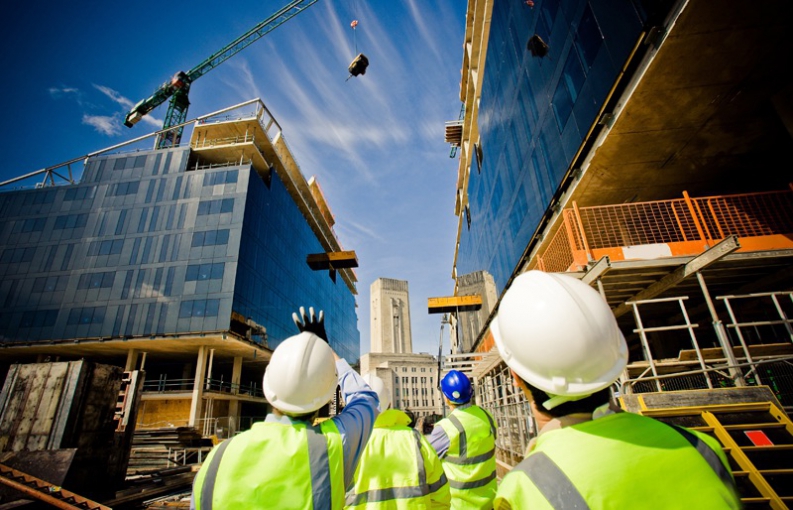

Uncover the shifting landscape of the commercial real estate market with our in-depth analysis of current trends and future projections. We explore key factors impacting investment strategies, property values, and market dynamics. This resource provides actionable insights for investors, developers, and businesses seeking to navigate the complexities of the CRE sector.

The commercial real estate sector is a dynamic and ever-evolving landscape. Understanding the current Commercial Real Estate Trends is crucial for success, whether you’re an investor, developer, or business owner. This article will explore some of the key trends shaping the future of commercial real estate.
Key Takeaways:
- The rise of flexible workspaces and the impact on traditional office leasing strategies are significantly reshaping the market.
- Sustainability and ESG (Environmental, Social, and Governance) factors are increasingly influencing investment decisions and property valuations.
- Technological advancements are driving efficiency and transparency within the commercial real estate industry.
- Economic uncertainties are creating both challenges and opportunities for investors seeking to capitalize on market fluctuations.
The Rise of Flexible Workspaces and Their Impact on Office Leasing
The traditional office lease is undergoing a significant shift. The pandemic accelerated the adoption of remote work, leading to a surge in demand for flexible workspaces, co-working spaces, and serviced offices. This trend affects landlords, who must adapt their strategies to meet the changing needs of tenants. We are seeing a rise in shorter-term leases, build-to-suit options catering to specific business needs, and a greater focus on amenities and services to attract and retain tenants. Many companies are opting for hybrid work models, requiring less overall office space but a higher quality, more flexible space for when employees are in the office. This impacts building design and how office space is managed.
Sustainability and ESG Investing in Commercial Real Estate
Environmental, Social, and Governance (ESG) factors are no longer a niche concern; they are a mainstream consideration for investors and tenants alike. Buildings with high energy efficiency, sustainable materials, and robust environmental policies are attracting higher valuations and premium rents. Investors are actively seeking opportunities to invest in green buildings and sustainable development projects. This trend is driven by increasing awareness of climate change, growing investor demand for ESG-compliant investments, and the potential for cost savings through energy efficiency. We, as a society, are placing a higher emphasis on responsible and sustainable practices.
Technological Advancements Transforming Commercial Real Estate
Technology is revolutionizing the commercial real estate industry. From property management software and virtual tours to AI-powered analytics and blockchain-based transactions, technology is improving efficiency, transparency, and decision-making across the entire value chain. This includes streamlining due diligence, improving tenant experience, and optimizing building operations. The use of data analytics allows investors to make more informed decisions based on market trends and property performance data. This technological transformation is reshaping how we operate in and manage commercial real estate.
Economic Uncertainty and its Influence on Commercial Real Estate Investment
Economic uncertainty, including inflation, interest rate hikes, and geopolitical instability, presents significant challenges and opportunities in the commercial real estate market. Investors must carefully assess risk and adjust their strategies accordingly. While some sectors, such as certain types of retail and office space, may face headwinds, other sectors, such as industrial and logistics, are thriving due to the rise of e-commerce. The current economic climate necessitates a nuanced and adaptive approach to commercial real estate investment. Us investors need to remain informed and agile to navigate these fluctuations successfully.
About the Author