
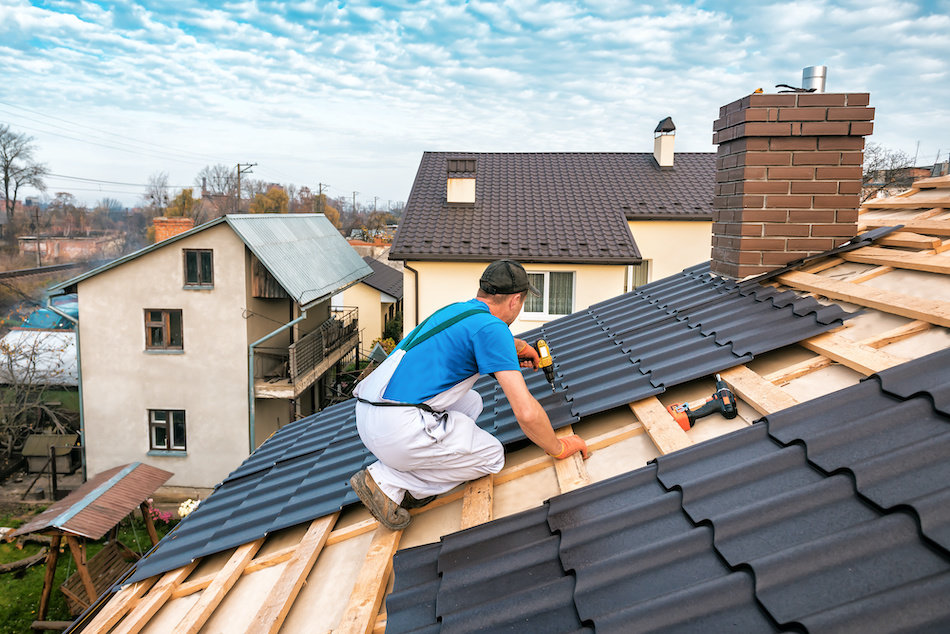
Roofing materials do not all age at the same pace, especially under Alabama sun, humidity, wind, and heavy rain. Expected lifespan depends on material quality, installation, ventilation, maintenance, and storm exposure rather than age alone. Understanding those differences helps homeowners know what to expect before a Cullman roofer recommends repair or replacement.
Asphalt Shingles Typically Last 20 to 30 Years
Standard asphalt shingles commonly provide around 20 to 30 years of service when installed correctly and maintained well. Strong sunlight gradually dries the asphalt, while wind, rain, and temperature changes can loosen granules and wear down exposed edges.
Actual lifespan may be shorter if attic heat stays trapped or repeated storms lift shingles and loosen fasteners. Experienced roof contractors in Cullman AL check curling, cracking, bald patches, and flashing conditions instead of deciding replacement based only on the installation date.
Metal Roofing Can Perform for 40 to 70 Years
Metal roofing can last several decades because steel and aluminum panels resist many problems that shorten the life of asphalt products. Protective coatings help limit corrosion, while properly secured panels handle rain and strong sun without absorbing moisture.
Performance still depends on installation details around screws, seams, valleys, and penetrations. A skilled roofer also checks coating wear and loose fasteners during routine inspections, since small defects can eventually let moisture reach the deck underneath.
Standing Seam Metal Often Exceeds 50 Years
Standing seam systems hide many fasteners beneath raised interlocking seams, reducing the number of exposed points where water can enter. That design can help these roofs remain serviceable for 50 years or longer with suitable materials and regular care.
Expansion matters because metal moves slightly as temperatures rise and fall. Professional roof contractors understand how clips, seams, flashing, and panel lengths must accommodate that movement without pulling connections apart or creating leaks around the roof perimeter.
Architectural Shingles May Reach 30 to 40 Years
Architectural shingles are thicker than basic three-tab shingles and use layered construction to create greater depth and durability. Higher-quality products may approach 30 to 40 years under favorable conditions, although weather and installation can shorten that expectation.
Wind resistance also varies by product and fastening method, making proper installation important in storm-prone areas. Homeowners searching for roofing near me should compare actual product ratings, warranties, and ventilation needs rather than assuming all architectural shingles perform the same way.
Synthetic Roofing Can Last 40 to 50 Years
Synthetic roofing products can imitate slate, cedar shakes, or other premium materials while using engineered polymers or composites. Many options are designed to resist moisture, impact, fading, and cracking for several decades without the weight of traditional stone.
Product quality differs considerably among manufacturers, so lifespan claims deserve a closer look. Reliable roof companies near me can explain testing standards, warranty terms, wind ratings, and installation requirements before a homeowner chooses synthetic roofing mainly for its appearance.
Clay and Concrete Tiles Often Last 50 Years or More
Clay and concrete tiles can remain useful for 50 years or longer because the individual pieces resist decay, insects, and sun exposure. Their weight and durability make them especially long-lasting when the supporting roof structure and underlayment are designed for the system.
Broken tiles still need attention because foot traffic, falling branches, or severe weather can crack individual pieces. Qualified roof contractors inspect the underlayment as well, since the waterproof layer beneath durable tiles may need replacement before the tiles themselves wear out.
Slate Roofing Can Remain Serviceable for 75 to 100 Years
Natural slate has one of the longest potential lifespans among common roofing materials, with quality installations sometimes remaining serviceable for 75 to 100 years or more. Dense stone resists fire, moisture, insects, and sunlight while keeping its appearance for generations.
Structure becomes especially important because slate weighs far more than asphalt shingles. Skilled contractors evaluate framing capacity, flashing, fasteners, and individual broken pieces before recommending repairs, while careless walking can crack otherwise healthy slate.
Age ranges should always be treated as useful estimates rather than expiration dates. Climate exposure, roof pitch, shade, ventilation, workmanship, maintenance, and storm history can make two roofs made from the same material age very differently.
Local inspections provide a better picture than simply comparing the roof to a number on a chart. Cullman homeowners may hear different advice from roof contractors, roof companies near me, or even Trussville roof contractors because each roof has its own installation history and weather exposure.
Yellow Hammer Roofing can inspect roofing systems in Cullman, explain how much useful life may remain, and help homeowners compare material options without relying only on advertised lifespan numbers. Their team can also point out wear, ventilation concerns, flashing problems, and storm damage that may affect whether a roof needs maintenance, repair, or replacement.
About the Author