
At its core, successful product development hinges on a clear understanding of market needs and customer desires. It’s a complex, iterative process that demands strategic thinking, deep user empathy, and effective execution to bring valuable solutions to life. Whether building a new software application, a physical gadget, or a service, the principles remain consistent: creating something that solves a problem, offers genuine utility, and resonates with its target audience. Ignoring key foundational elements can lead to wasted resources and products that fail to gain traction.
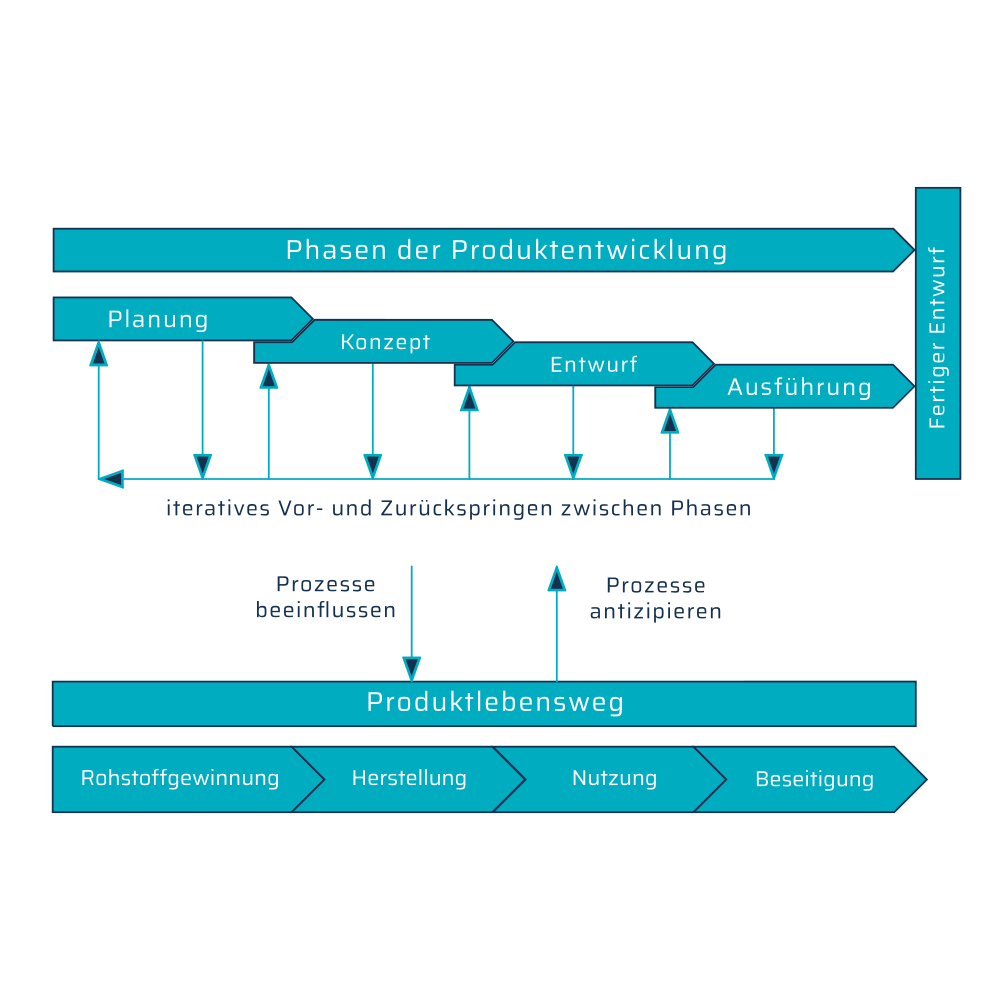
Overview
- Produktentwicklung necessitates a deep understanding of customer needs and pain points through thorough market research.
- A clear product vision and strategic roadmap are essential for guiding the entire development process from conception to launch.
- Adopting agile methodologies and embracing iterative cycles with continuous feedback helps refine the product over time.
- Prioritizing user experience (UX) and design ensures the product is intuitive, enjoyable, and effective for its users.
- Effective cross-functional teamwork, clear communication, and strong leadership are critical for project success in Produktentwicklung.
- The ability to adapt to changing market conditions and incorporate learnings from testing is paramount for long-term viability.
User-Centricity in Produktentwicklung
A fundamental aspect of effective Produktentwicklung is an unwavering focus on the user. Before any lines of code are written or prototypes are built, it is vital to understand who the product is for, what problems it will solve for them, and how it fits into their lives. This begins with extensive market research, including surveys, interviews, and competitor analysis. Identifying unmet needs, pain points, and existing solutions helps to validate the initial product idea. Without a clear understanding of the target audience, even the most innovative concept risks falling flat. This user-centric approach ensures that every design choice, feature addition, and technical decision directly contributes to a product that provides genuine value and a positive experience. Failing to prioritize user research can lead to products that nobody wants or needs, regardless of their technical sophistication.
Strategic Vision for Successful Produktentwicklung
Beyond understanding the user, a clear strategic vision is indispensable for successful Produktentwicklung. This involves defining the product’s overall goals, its unique selling proposition, and how it aligns with the broader business objectives. A well-articulated product strategy acts as a compass, guiding all subsequent decisions, from feature prioritization to marketing efforts. It includes understanding the competitive landscape, identifying market gaps, and establishing a clear roadmap that outlines key milestones and deliverables. For businesses operating in markets like the US, understanding local regulations, consumer trends, and economic factors also plays a crucial role in shaping this vision. Without a defined strategy, development efforts can become fragmented, leading to scope creep, delays, and a product that lacks cohesion or a clear market fit. A strong vision helps maintain focus and ensures that resources are allocated effectively towards achieving desired outcomes.
Iteration and Feedback Loops in Produktentwicklung
Modern Produktentwicklung thrives on iteration and continuous feedback. The idea of a perfect “big bang” launch where a product is released fully formed and flawless is largely outdated. Instead, successful teams embrace agile methodologies, releasing minimum viable products (MVPs) or early prototypes to gather real-world data and user input. This iterative cycle of building, measuring, and learning allows teams to quickly validate assumptions, identify issues, and make necessary adjustments. Feedback loops—from user testing, beta programs, and analytics—are critical sources of insight that inform subsequent development sprints. This approach minimizes risk, as potential flaws or misdirections can be caught and corrected early, before significant resources are committed. It fosters adaptability, allowing the product to evolve in response to market changes and user preferences, ultimately leading to a more refined and resilient final offering.
Fostering Team Collaboration for Robust Produktentwicklung
The success of any Produktentwicklung effort is profoundly influenced by the strength and effectiveness of the team behind it. A robust product requires a collaborative environment where cross-functional teams—comprising designers, engineers, product managers, and marketers—can communicate openly and work in synergy. Clear roles and responsibilities, combined with transparent communication channels, prevent misunderstandings and bottlenecks. Strong leadership is essential to articulate the vision, set expectations, and remove impediments, empowering team members to contribute their best. Fostering a culture of psychological safety where team members feel comfortable sharing ideas, asking questions, and even admitting mistakes leads to innovation and faster problem-solving. When everyone is aligned, understands the overarching goals, and feels valued, the collective effort in Produktentwicklung becomes far more powerful and efficient, driving the creation of truly impactful products.
About the Author


