
Understanding the distinctions between Mietrecht (tenancy law) and Wohnrecht (right of residence) is crucial for anyone involved in property, whether as an owner, tenant, or beneficiary. While both pertain to the use of living space, their legal foundations, implications, and underlying intentions differ significantly. Mietrecht governs the contractual relationship between a landlord and a tenant, typically involving rent payments and specific terms agreed upon in a lease agreement. Wohnrecht, on the other hand, grants a person the right to live in a property without necessarily being its owner, often for life, and is frequently established outside of a standard rental contract, embedded directly into property law.

Overview
- Mietrecht (tenancy law) establishes a contractual relationship between a landlord and a tenant for temporary use of property in exchange for rent.
- Wohnrecht (right of residence) is a personal right granting an individual the ability to live in a property, often for life, without owning it and typically without paying rent.
- Mietrecht is governed by tenant protection laws and is based on a lease agreement, whereas Wohnrecht is often enshrined in the civil code and registered in the land register.
- Tenancy agreements are generally temporary and can be terminated by either party under specific conditions, while Wohnrecht is typically long-term, often lifelong, and difficult to terminate.
- Tenants have specific rights and obligations regarding rent payments, maintenance, and property use, whereas Wohnrecht holders have the right to occupy but usually bear costs like utilities and minor repairs, without rent.
- Wohnrecht is highly personal and non-transferable, meaning the right cannot be sold, rented out, or inherited by others.
- Mietrecht offers robust tenant protection, including rules for rent increases, eviction, and property condition, which differ significantly from the framework surrounding Wohnrecht.
Understanding Mietrecht (Tenancy Law)
Mietrecht, or tenancy law, forms the backbone of rental relationships in many countries, including Germany. It is a branch of civil law that regulates the rights and obligations of both landlords and tenants. At its core, Mietrecht is about a contractual agreement: the landlord grants the tenant the temporary right to use a property in exchange for a specified rent. This relationship is formalized through a lease agreement, which outlines details such as the rental period, the amount of rent, utility charges, notice periods for termination, and rules regarding maintenance and repairs.
Tenancy law often provides strong protections for tenants, aiming to balance the power dynamic between property owners and those who rent. These protections can include limitations on rent increases, specific requirements for issuing eviction notices, and regulations regarding the condition of the rented property. A key characteristic of Mietrecht is its temporary nature; while a lease can be for a fixed term or indefinite, it always includes provisions for termination by either party, subject to legal notice periods and justifiable reasons. For instance, in Germany, a landlord needs a valid reason, such as personal use, to terminate an indefinite lease agreement, and specific notice periods apply depending on the duration of the tenancy.
Delving into Wohnrecht (Right of Residence)
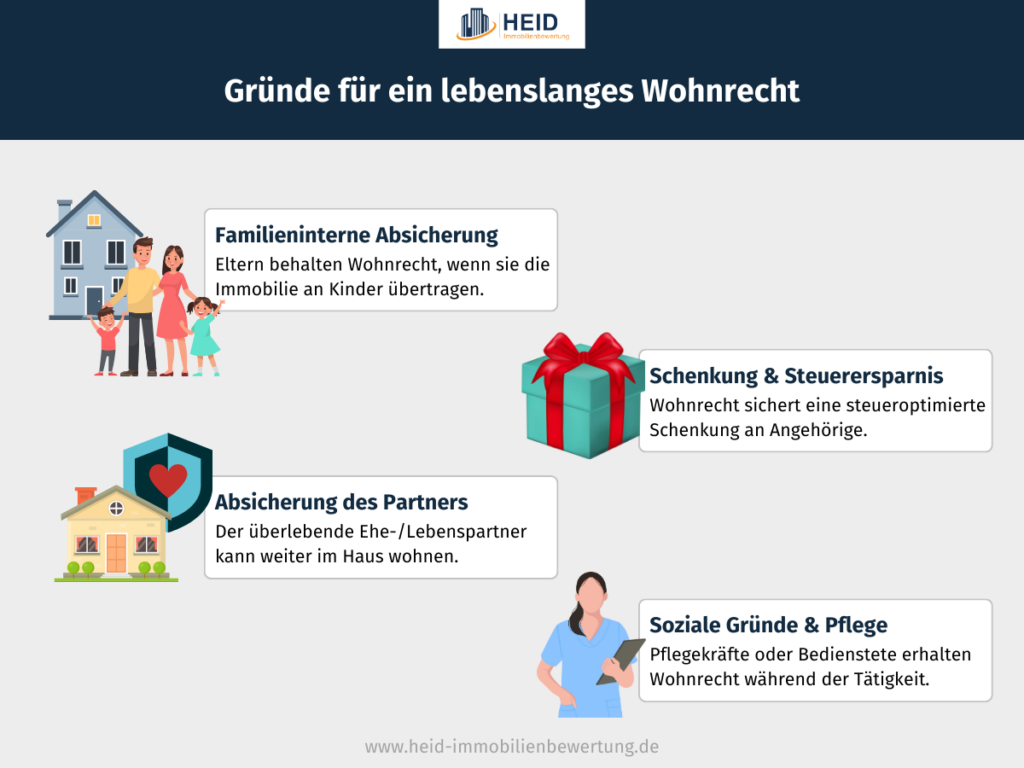
Wohnrecht, or the right of residence, represents a distinctly different legal concept from Mietrecht. It grants a specific individual the personal right to occupy a dwelling or a part of a dwelling for a certain period, often for their entire lifetime, without necessarily owning the property. Unlike a tenancy, Wohnrecht is typically not based on a rental contract and does not involve rent payments. Instead, it is often established through a legal instrument, such as a will, a gift, or as part of a property transfer agreement, particularly in succession planning.
A crucial aspect of Wohnrecht is its registration in the land register (Grundbuch in Germany). This makes the right legally binding and enforceable against future owners of the property. For example, if a parent transfers ownership of their house to their child but wishes to continue living there, a Wohnrecht can be established and recorded. This ensures that even if the child later sells the house, the parent’s right to reside there remains valid. The holder of a Wohnrecht typically bears the costs associated with the immediate use of the property, such as utility bills, minor repairs, and sometimes local taxes, but not typically the major structural maintenance or mortgage payments, which remain the responsibility of the property owner.
Key Differences in Legal Basis and Duration
The fundamental distinction between Mietrecht and Wohnrecht lies in their legal foundations and typical durations. Mietrecht is rooted in contract law. A lease agreement is a bilateral contract, meaning it arises from the mutual consent of two parties: the landlord and the tenant. This agreement creates a personal obligation between them. Its duration is usually temporary, ranging from fixed-term leases of a few years to indefinite contracts that can be terminated with proper notice. The primary goal of Mietrecht is to regulate the exchange of temporary use for monetary compensation.
Wohnrecht, conversely, is typically enshrined in property law (sachenrechtlich in German law) and functions as a limited personal servitude or a similar real right. It is often established not merely by a contract but by a formal act, often notarized and registered in the land register. This registration elevates Wohnrecht from a personal obligation to a right that “runs with the land,” meaning it affects anyone who owns the property. The duration of Wohnrecht is usually long-term, frequently for the entire lifetime of the beneficiary. This permanence offers significant security to the holder, distinguishing it sharply from the inherent temporariness of a tenancy. This often makes Wohnrecht an attractive tool in estate planning or property transfers within families, providing a secure living situation for elderly family members, for example.
Rights and Obligations: A Comparative Look
The rights and obligations attached to Mietrecht and Wohnrecht diverge significantly. Under Mietrecht, tenants have the right to peaceful enjoyment of the rented premises, free from interference by the landlord, provided they adhere to the terms of the lease. Their main obligation is to pay rent punctually and to use the property responsibly, generally returning it in good condition (allowing for normal wear and tear). Landlords, in turn, are obliged to maintain the property in a habitable condition and cannot unreasonably terminate the lease.
For a holder of Wohnrecht, the primary right is to reside in the designated property. This right is highly personal and generally cannot be transferred, sold, or rented out to third parties. They are typically responsible for their personal consumption costs like electricity, water, and heating, as well as for minor maintenance or cosmetic repairs within the living space. However, they are usually not responsible for major repairs to the building’s structure, the roof, or other common areas, nor for property taxes (unless specifically agreed upon). The property owner, while not receiving rent, must tolerate the Wohnrecht holder’s presence and maintain the structural integrity of the building. The lack of rent payment is a key differentiator, as the Wohnrecht is typically granted gratuitously, stemming from familial or personal arrangements rather than a commercial exchange.
Transferability and Termination Scenarios
Another critical area of difference concerns the transferability of rights and the conditions under which they can be terminated. A tenancy agreement under Mietrecht is generally personal to the tenant, but many jurisdictions allow for subletting under certain conditions, and the contract itself can sometimes be transferred to new tenants or heirs with the landlord’s consent. Termination of a tenancy is governed by specific notice periods and legal grounds. For example, a landlord may terminate a lease due to the tenant’s breach of contract (e.g., non-payment of rent) or for specific personal use requirements. Tenants can also terminate with due notice.
Wohnrecht, by contrast, is almost universally non-transferable. The right is strictly personal to the individual to whom it was granted. This means the Wohnrecht holder cannot rent out the property to someone else, nor can they sell their right to live there. Upon the death of the Wohnrecht holder, the right automatically extinguishes and does not pass to their heirs. Termination before death is extremely rare and typically only occurs under very specific circumstances, such as the voluntary renunciation of the right by the holder, or if the property becomes unusable without fault of the owner and the owner has no obligation to rebuild. This inherent non-transferability and strong protection against early termination make Wohnrecht a very secure arrangement for the beneficiary, but it can also present challenges for the property owner who cannot fully utilize or dispose of their asset during the right’s duration.
Practical Implications and International Context for Wohnrecht
The practical implications of both Mietrecht and Wohnrecht are significant for all parties involved. For property owners, granting a Wohnrecht means sacrificing potential rental income or the ability to sell the property freely, often in exchange for peace of mind regarding a loved one’s future or as part of an inheritance plan. For the Wohnrecht holder, it provides housing security without the financial burden of rent, but also the responsibility for the direct running costs of their living space.
While the specific term “Wohnrecht” is deeply embedded in German legal tradition, similar concepts exist in other legal systems around the world, albeit with different names and precise legal frameworks. In the US, for example, a “life estate” is a comparable concept where an individual (the “life tenant”) has the right to possess and use a property for the duration of their life, after which ownership reverts to a designated “remainderman.” Like Wohnrecht, a life estate often comes with specific responsibilities for the life tenant regarding property maintenance and taxes, but without ownership. These international parallels highlight a universal human need to secure housing for individuals outside of traditional ownership or rental models, particularly in situations involving family succession or care for the elderly. Understanding these nuanced legal instruments is essential for sound financial and estate planning, ensuring clarity and security for all parties involved.
About the Author