
When families are searching for a new home, many factors come into play beyond just the number of bedrooms. The layout, outdoor space, community, and practicality of a residence are paramount. In many European countries, including Germany, the “Reihenhaus” or terraced house is a popular housing type that often offers a compelling blend of space, affordability, and community living. But what specifically makes a terraced house suitable for families, and why is it frequently a top choice for those looking to rent?
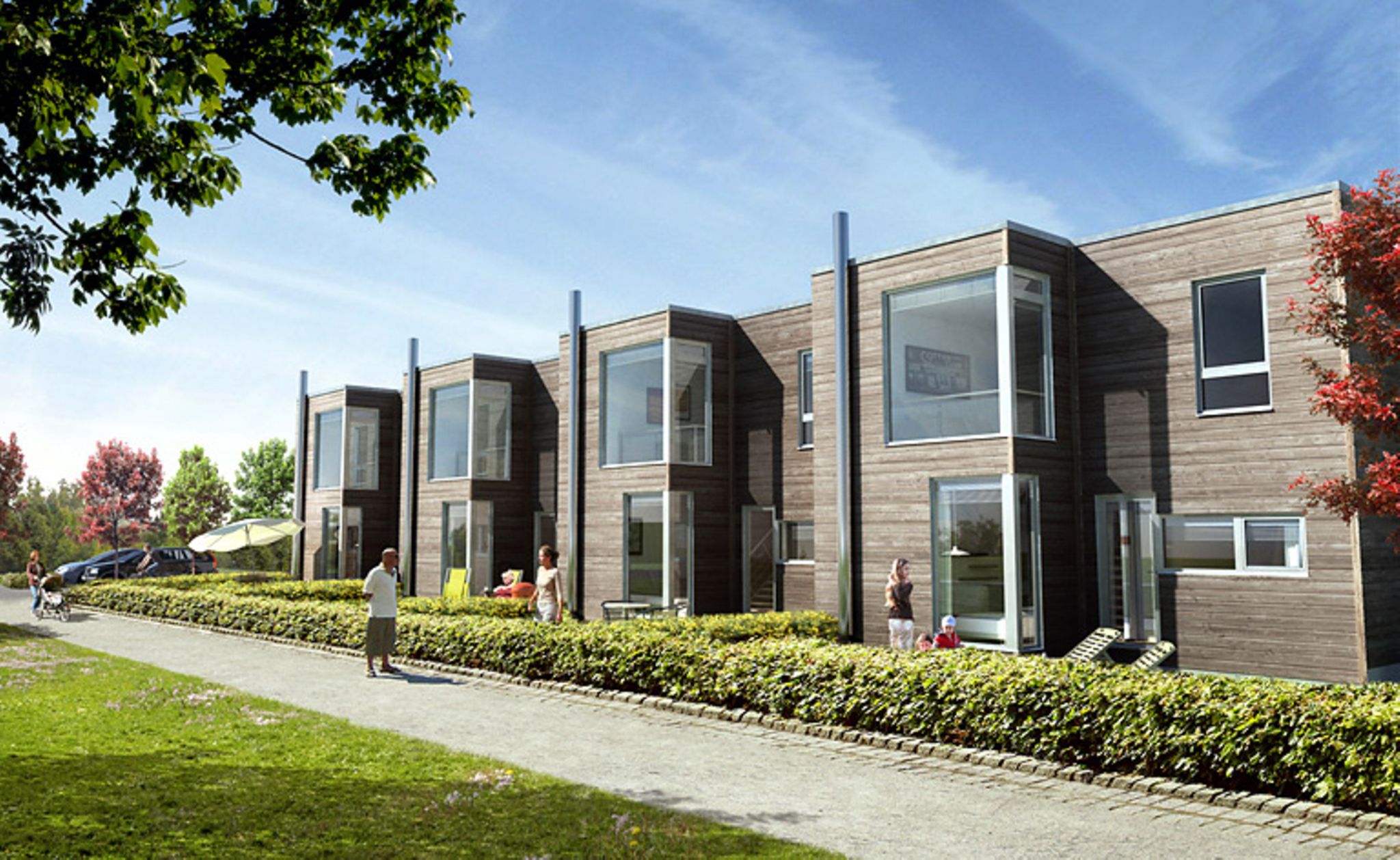
Overview
- Terraced houses often provide private outdoor spaces like gardens or patios, ideal for children.
- Their multi-level design allows for clear separation of living, sleeping, and play areas.
- Many Reihenhaus developments are located in quieter neighborhoods with access to schools and parks.
- Renting a terraced house can offer more space than an apartment without the full responsibility of a detached home.
- Community aspects, often including shared green spaces or playgrounds, foster a sense of belonging.
- Proximity to public transport and local amenities further enhances their appeal for daily family life.
- The compact footprint often makes them more energy-efficient compared to larger detached homes.
Outdoor Space and Safe Play Areas
One of the most appealing aspects of a terraced house for families is the direct access to outdoor space. Unlike many apartments, a Reihenhaus typically comes with a small private garden or patio. This provides a crucial safe zone for children to play, whether it’s setting up a sandpit, a swing, or simply having a patch of grass for outdoor activities. Parents appreciate the ability to let children play outside within a secure, visible area, fostering independence while maintaining peace of mind.
Beyond private gardens, many terraced house developments are designed with communal green areas, playgrounds, or pedestrian-friendly streets. These shared spaces create opportunities for children to interact with neighbors, building a stronger community spirit. The presence of mature trees, benches, and well-maintained pathways also makes these neighborhoods pleasant for family strolls and outdoor recreation, significantly contributing to the overall quality of family life.
Layouts and Interior Design for Family Life
The typical multi-level structure of a terraced house lends itself well to family living. Often, the ground floor houses the living room, kitchen, and dining area, creating a central hub for family interactions. The upper floors are then dedicated to bedrooms and bathrooms, providing distinct sleeping zones away from the main activity areas. This separation can be invaluable, allowing children to sleep undisturbed while adults socialize downstairs, or giving teenagers their own space.
Furthermore, terraced houses frequently offer more storage solutions than apartments. Basements or attics are common, providing ample room for toys, seasonal items, and bicycles. The efficient use of vertical space means families can maintain a tidy home, even with the accumulation of belongings that often comes with raising children. Many terraced houses also feature practical additions like guest toilets on the ground floor, which simplify daily routines with young ones. The ability to customize and adapt these spaces over time, adding child-proofing features or reconfiguring rooms as children grow, is another significant benefit.
Location, Community, and Essential Amenities
The location of terraced housing developments is frequently chosen with families in mind. They are often situated in quieter residential areas, away from the hustle and bustle of city centers, yet still offering convenient access to essential services. Proximity to good schools, kindergartens, and public transport links is a major draw. For families in the US or elsewhere accustomed to long commutes, the accessibility often found with terraced houses in European suburbs can be a refreshing change.
These neighborhoods are also often characterized by a strong sense of community. With shared walls and nearby gardens, neighbors tend to interact more, leading to friendships among children and a support network for parents. This communal atmosphere can be particularly comforting for new families or those relocating, providing an immediate sense of belonging. Access to local parks, sports facilities, and shops further rounds out the appeal, ensuring that daily needs and recreational activities are easily met without extensive travel.
Why Reihenhaus mieten familienfreundlich is a Smart Choice for Many Families
For families weighing their housing options, the decision to Reihenhaus mieten familienfreundlich often comes down to a balance of space, cost, and responsibility. Renting a terraced house typically provides more square footage and private outdoor space than an apartment, without the significant financial outlay and long-term commitment of purchasing a detached home. This flexibility is highly valued by families who may anticipate job changes, growth in their family size, or simply prefer to keep their options open.
Renting also means that maintenance responsibilities often fall to the landlord, freeing up valuable time and resources for parents. No need to worry about major repairs, roof maintenance, or complex garden upkeep. This allows families to focus on what truly matters: spending quality time together. The stable structure of a terraced house, often built with robust materials, also contributes to a sense of security and durability, offering a reliable home environment for years to come. Ultimately, a terraced house offers a practical, community-oriented, and often more affordable pathway to a family-friendly lifestyle compared to other housing types.
About the Author