
Making a robust Fahrzeug Vergleich (vehicle comparison) is crucial for anyone looking to acquire a new or used automobile. It involves more than just looking at the price tag; it requires a systematic approach to evaluate various aspects that contribute to a vehicle’s suitability for your lifestyle and budget. A well-executed comparison helps prevent buyer’s remorse and ensures you invest in a vehicle that truly meets your expectations and needs for the long haul.
Overview
- Begin by clearly defining your personal needs, usage patterns, and realistic budget constraints.
- Thoroughly research potential vehicles using multiple reputable online sources, consumer reports, and expert reviews.
- Prioritize safety features, reliability ratings, and expected depreciation when narrowing down choices.
- Schedule and conduct comprehensive test drives of your top contenders to assess driving dynamics and comfort.
- Scrutinize all financial aspects, including purchase price, financing options, insurance, and long-term running costs.
- Consider resale value and the availability of parts and service for chosen models.
- Always perform a pre-purchase inspection by an independent mechanic, especially for used vehicles.
Defining Your Needs and Budget for an Effective Vehicle Comparison
The first step in any good Fahrzeug Vergleich is a clear understanding of your own requirements. Ask yourself critical questions: What will the vehicle primarily be used for? Daily commuting, family trips, off-road adventures, or perhaps hauling equipment? How many passengers will it typically carry? What kind of cargo capacity do you need? Consider your driving environment – mostly city, highway, or rural roads? Your answers will help you narrow down categories, such as sedans, SUVs, trucks, or minivans.
Equally important is establishing a realistic budget. This isn’t just about the purchase price. Factor in potential down payments, monthly loan payments, insurance premiums, fuel costs, maintenance, and registration fees. Remember that a cheaper purchase price might mean higher running costs later. For example, some vehicles have lower upfront costs but demand premium fuel or have more expensive parts for repairs. Being upfront about what you can genuinely afford will save you time and frustration during your search.
Gathering Data and Comparing Technical Specifications in Your Fahrzeug Vergleich
Once you have a clearer picture of your needs, it’s time to dive into research. Utilize online resources, automotive review sites, manufacturer websites, and consumer reports. Look beyond flashy advertisements and focus on factual data. Compare specifications such as engine size and type (petrol, diesel, electric, hybrid), horsepower, torque, fuel efficiency (MPG figures are common in the US market), transmission type, and drivetrain (FWD, RWD, AWD).
Beyond performance metrics, pay attention to safety features. Modern vehicles offer a wide array of active and passive safety technologies, including advanced driver-assistance systems (ADAS) like automatic emergency braking, lane-keeping assist, and blind-spot monitoring. Reliability ratings from independent organizations are invaluable; they give you an idea of common issues and expected repair frequency. Also, check user reviews and owner forums for real-world experiences that might not be covered in official reviews. A side-by-side comparison chart can be incredibly helpful here, allowing you to easily see how different models stack up against each other on key metrics.
Conducting Practical Tests and Inspections
No amount of online research can replace the experience of physically interacting with a vehicle. Schedule test drives for your top contenders. During the test drive, pay close attention to comfort, seat adjustability, visibility, and the ease of accessing controls. Drive on various road types if possible – city streets, highways, and even some uneven surfaces to gauge ride quality and handling. Listen for unusual noises, feel for vibrations, and assess the responsiveness of the steering, brakes, and acceleration.
For used vehicles, a thorough physical inspection is paramount. Check the exterior for dents, scratches, and inconsistencies in paint, which could indicate past accidents. Examine the tires for even wear. Inside, check upholstery condition, electronics, air conditioning, and all power features. Crucially, arrange for a pre-purchase inspection by an independent, trusted mechanic. They can identify underlying mechanical issues that might not be apparent to an untrained eye, potentially saving you from significant future repair costs. This step is a non-negotiable part of a good Fahrzeug Vergleich when buying pre-owned.
Understanding Total Ownership Costs: A Key Element of Any Good Comparison
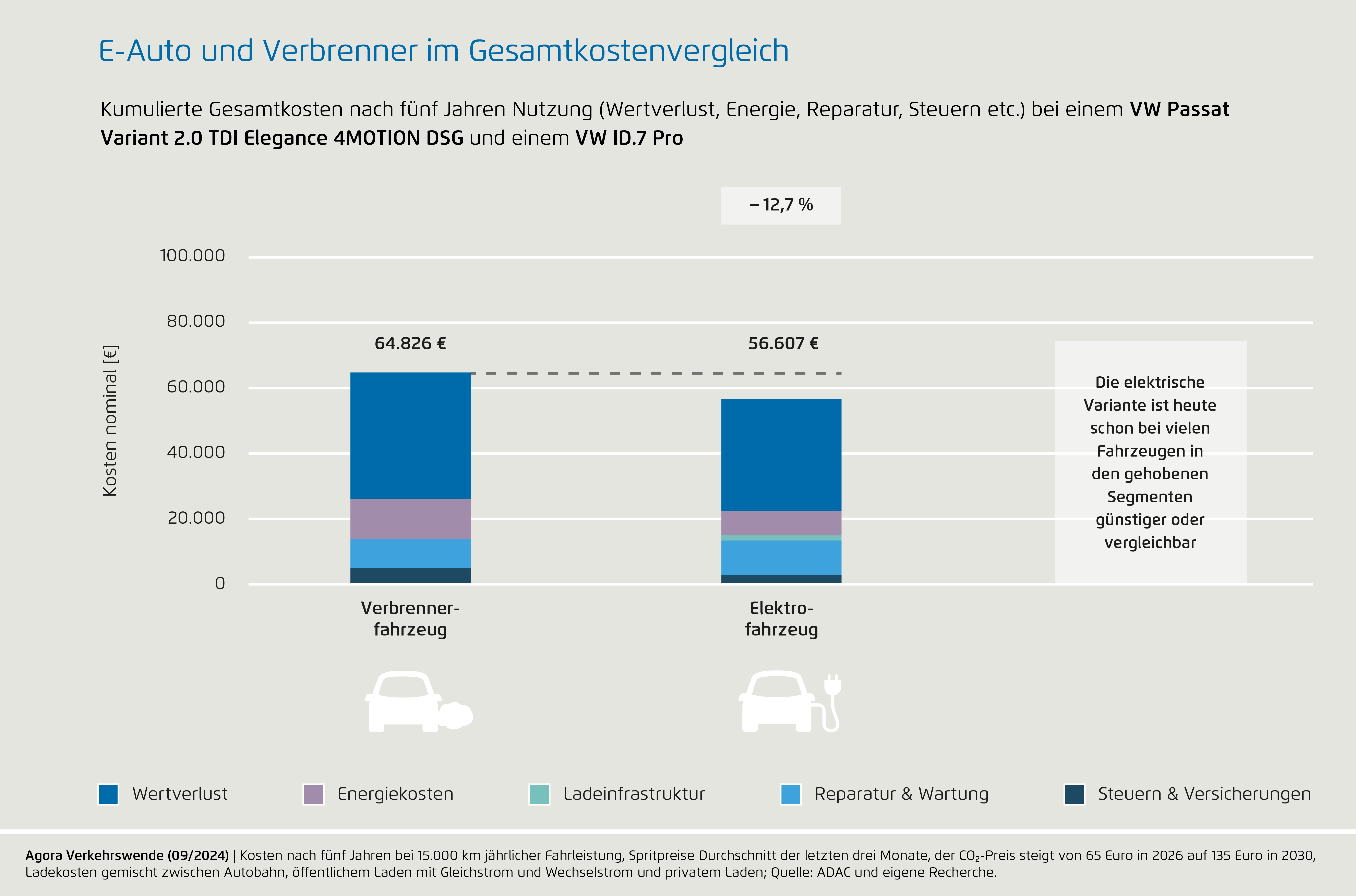
The purchase price is just one piece of the financial puzzle. A truly effective Fahrzeug Vergleich demands a careful examination of the total cost of ownership (TCO). This includes not only the initial price but also factors such as insurance premiums, which can vary significantly based on the vehicle’s model, safety ratings, and repair costs. Fuel efficiency is a major ongoing expense, especially with fluctuating fuel prices. Compare the estimated annual fuel costs based on your projected mileage.
Maintenance and repair costs are another critical element. Some brands or models are known for higher parts and labor costs. Research common service intervals and the typical expense of routine maintenance. Depreciation, the loss of value over time, is also a significant factor. Some vehicles hold their value better than others, which impacts your potential resale or trade-in value later. Additionally, consider registration fees and any local taxes. By analyzing the TCO, you gain a more complete financial picture, allowing you to choose a vehicle that remains affordable not just at the point of sale, but throughout your ownership period.
About the Author